ATTENTION: YOU, OR SOMEONE YOU CARE FOR, HAS JUST RECEIVED A DIAGNOSIS OF EARLY ALZHEIMER'S DISEASE


Now that you have the diagnosis - what can you actually do about it?
This guide is for educational purposes only and does not replace personalised medical advice.
Featured in












Hello, I’m Dr Sarah Stephens.
I’m a medical doctor and brain health practitioner who helps people in Australia improve their cognitive function even if they have a diagnosis of early Alzheimer's disease.
A diagnosis of Alzheimer's can be overwhelming , especially when you're told that the disease will inevitably progress and there's little you can do about it.
But I believe people deserve to understand the full range of options available to them, including what emerging research is revealing about approaches that go beyond conventional treatments.
Alzheimer's research is moving quickly, and new treatment approaches are being investigated all the time.
You shouldn't have to spend hours reading scientific papers to understand what this could mean for you.
As a medical doctor, I follow the research closely and help people make sense of the evidence, so they can better understand their options and make informed decisions about their next steps.
That's why I've created this free guide: to help you better understand the research, explore your options and make informed decisions about your next steps.
This guide is for educational purposes only and does not replace personalised medical advice.
CASE STUDIES
We created a personalised plan focused on:
Identifying and reducing mould exposure
Supporting detoxification pathways
Lowering inflammation and immune activation
Targeted supplementation to reduce homocysteine
Replacing deficient hormones to support brain function and energy
After working together for 6 months:
CNS Vital Signs score improved from 58 to 79, a clinically significant jump in brain function
Brain fog lifted
Sonia became super organised and mentally confident again
She’s now considering returning to work


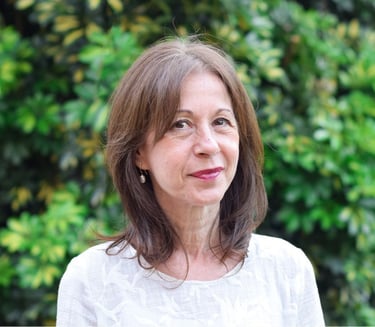
Belinda, 74 years old, came to me concerned about her brain health. Tests with her specialist had confirmed that she had amyloid in the brain and therefore Alzheimer’s disease, though her symptoms were mild.
Belinda knew that her status as an ApoE4 carrier put her at increased risk, but she wasn’t deterred. Belinda works in the health and wellness industry and was motived to put in effort to regain her sharp mind for the benefit of her clients and her grandchildren.
This guide is for educational purposes only and does not replace personalised medical advice.
We created a personalised plan focused on:
Lowering homocysteine with targeted nutritional support
Supporting detoxification to help reduce heavy metals and mycotoxins
Addressing low hormone levels
Rebalancing oral microbiome
After six months, she experienced significant improvements.
Her CNS Vital Signs cognitive score improved from 50 to 79.
Her homocysteine dropped to an optimal level of 6.
Heavy metal levels decreased.
Her TSH normalised.
She went from needing around 10 hours of sleep each night to feeling well rested on 7–8 hours.
Most importantly, Margaret reported that her thinking was clearer and she felt much more confident about her cognitive future.
These inspiring stories show how personalised, science-based care can make a meaningful difference.
Within six months, Belinda’a results were extraordinary. Her CNS Vital Signs cognitive score jumped from 7 to 47. Her homocysteine dropped to optimal levels and insulin markers improved.
Most importantly, Belinda felt confident when working with clients and felt like she was on an upward trajectory with her cognitive and physical health.
We created a personalised plan focused on:
Supporting lead detoxification through a structured, multi-layered protocol
Lowering homocysteine with targeted nutritional support
Improving glucose and insulin markers
Boosting protein intake and encouraging weight bearing exercises
Reducing neuroinflammation with diet and supplements
Supporting brain energy and neurogenesis with targeted supplements
Rebalancing the oral microbiome
Sonia, 61 years old, came to me one year after retiring because she simply wasn’t coping cognitively.
She was getting easily overwhelmed, struggled to keep a routine, and described constant brain fog. Everyday tasks felt hard. Organisation felt impossible.
Testing revealed several contributors affecting her brain health:
Elevated lead levels
Elevated homocysteine
Mild insulin resistance despite a normal weight and active lifestyle
Oral dysbiosis, with organisms linked to chronic inflammation
Through investigation, we uncovered several drivers behind her cognitive decline:
Autoantibodies pointing to immune dysregulation
Significant mould toxin exposure
A genetic predisposition to poor detoxification pathways
Elevated homocysteine, increasing brain and cardiovascular risk
Low hormones, impacting cognition, mood, and resilience
Margaret, 62 years old, came to see me shortly after discovering she carries two copies of the ApoE4 gene, the highest genetic risk for Alzheimer’s disease. The news left her understandably worried about her cognitive future.
She was also concerned about how she had been feeling for some time. She was constantly tired, struggling with brain fog, and felt that her thinking was not as sharp as it used to be.
Testing revealed several contributors that could affect her brain health. Her homocysteine was elevated, her trophic support was very low (meaning key brain-supporting hormones were extremely low), and her TSH was slightly elevated. Toxicity testing showed elevated heavy metals including arsenic, mercury, and lead, and mycotoxins were detected in her urine. She also had mild oral dysbiosis. Her initial CNS Vital Signs cognitive score was 50, indicating significant room for improvement.
Featured in


Get in Touch
Email: sarah@florentis.com.au
Address: 10/5 McKay Gardens, Turner ACT
Phone: (02) 5154 8644
ReCODE 2.0 Certified Practitioner, trained in the Bredesen Protocol®— a personalised program designed to prevent and reverse cognitive decline associated with subjective cognitive impairment (SCI), mild cognitive impairment (MCI), and early Alzheimer’s disease.