DON'T BE FOOLED BY THE MOST COMMON MISBELIEF ABOUT AGEING


“I watched my Mum lose more of herself every year. That future isn't acceptable to me.”
This guide is for educational purposes only and does not replace personalised medical advice.
Backed by peer-reviewed research and used by thousands to protect their memory and stop Alzheimer's disease in its tracks - even after early symptoms appear.
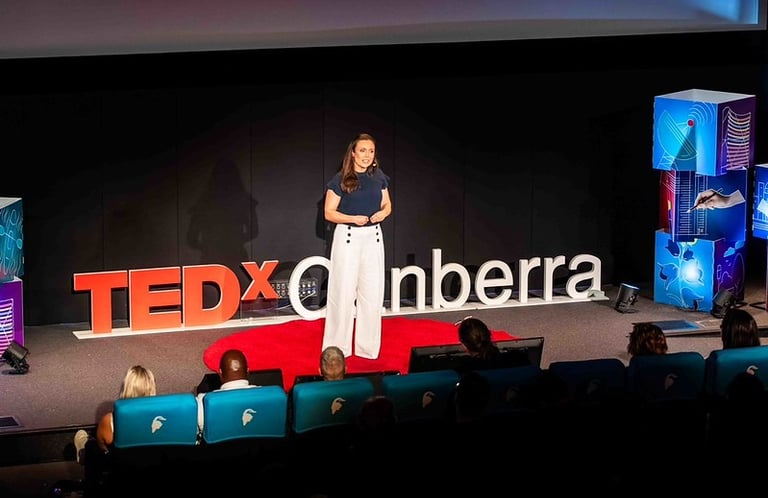

Hello, I’m Dr Sarah Stephens.
I’m a medical doctor and brain health practitioner who helps people in Australia prevent and reverse early Alzheimer's decline.
I’ve spent years working with people who have been brushed off with “it's normal, and anyway, there’s nothing you can do” — only to discover root causes of Alzheimer's disease that are both identifiable and reversible. Even better, when those root causes are addressed, most participants experience improvement in cognitive function.
That’s why I focus on root-cause brain health, not symptom management.
In my work (and in my TEDx talk), I detail the 7 elements of a targeted, precision protocol developed in the US that has been shown in clinical trials to help people improve in cognitive function after only 6 months despite a diagnosis of Alzheimer's disease.
This guide is for educational purposes only and does not replace personalised medical advice.
If you’re here because something doesn’t feel right — or you simply want to stay sharp for the long term — you’re exactly where you should be.
The Dangerous Myth About “Normal Ageing”
Cognitive decline is not a normal consequence of ageing.
Unfortunately, the idea that memory loss is simply “what happens” as we get older has become so widespread that many people delay seeking help — often for years. During that time, important opportunities for early support are missed.
What we now understand is:
Brain changes associated with Alzheimer’s disease start long before diagnosis
Early symptoms are often subtle and non-specific
Many early symptoms are mistaken for stress, burnout, menopause, depression, or ageing
Clinical research using a precision-medicine approach shows that cognitive function can improve. In clinical trials, where multiple biological factors are addressed in a personalised way, 50-84% of participants demonstrate measurable improvement on objective testing after 6 months, despite a diagnosis of early Alzheimer’s disease.
That precision-medicine approach is revealed in this guide!
This guide is for educational purposes only and does not replace personalised medical advice.
As a result, people are often reassured — sometimes incorrectly — that nothing needs attention.
If any other organ couldn't do it's job properly, it would be investigated and managed. I believe the brain should be treated in the same way. Cognitive decline is a sign that the brain is struggling to meet demand


CASE STUDIES
Sonia (61 years old) came to me one year after retiring because she simply wasn’t coping cognitively.
She was getting easily overwhelmed, struggled to keep a routine, and described constant brain fog. Everyday tasks felt hard. Organisation felt impossible.
Through investigation, we uncovered several drivers behind her cognitive decline:
Autoantibodies pointing to immune dysregulation
Significant mould toxin exposure
A genetic predisposition to poor detoxification pathways
Elevated homocysteine, increasing brain and cardiovascular risk
Low hormones, impacting cognition, mood, and resilience
We created a personalised plan focused on:
Identifying and reducing mould exposure
Supporting detoxification pathways
Lowering inflammation and immune activation
Targeted supplementation to reduce homocysteine
Replacing deficient hormones to support brain function and energy
After working together for 6 months:
CNS Vital Signs score improved from 58 to 79, a clinically significant jump in brain function
Brain fog lifted
Sonia became super organised and mentally confident again
She’s now considering returning to work


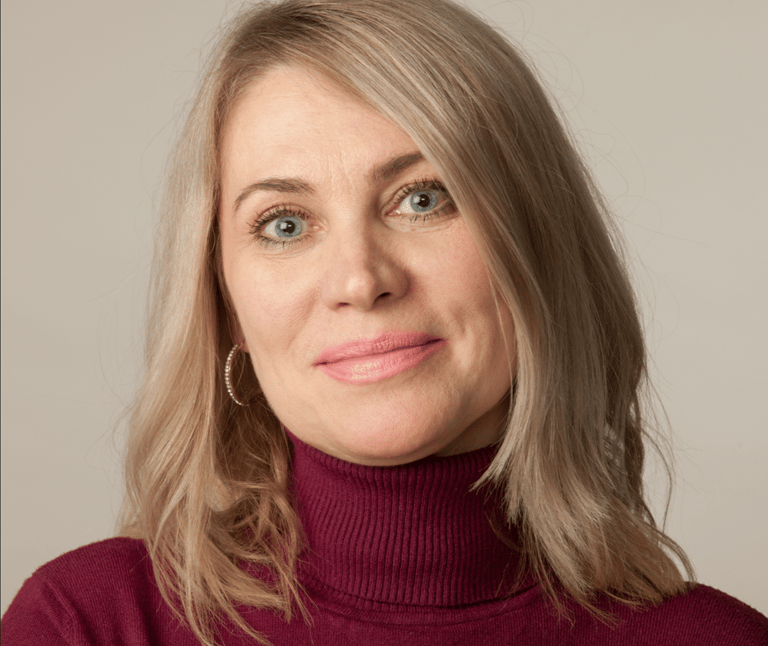

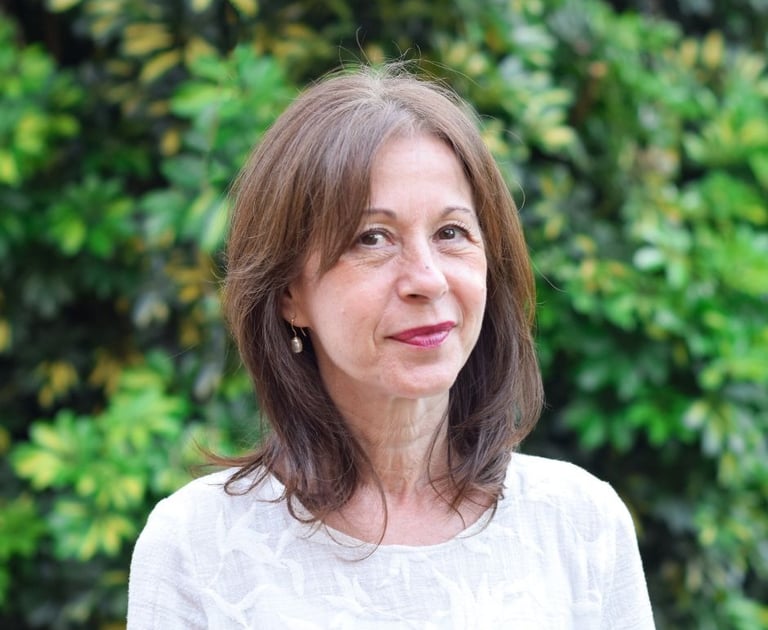
Lisa (52 years old) found me after discovering she carries two copies of the ApoE4 gene, the highest genetic risk for Alzheimer’s. On top of that, she was struggling with the effects of tamoxifen which she was taking for breast cancer – sweats, hot flashes, forgetfulness, and mentally drained. With a significant family history of Alzheimer's disease, Lisa worried about her future.
We created a personalised plan focused on:
Reducing stress to lower cortisol and inflammationSupplementing to improve homocysteine levels for brain and heart health
Starting bioidentical hormone therapy to support cognition and overall well-being
Optimizing sleep and brain-boosting nutrition
Lowered cholesterol with a gentle cholesterol-lowering medication
Tweaking her exercise program to be more brain-health-focused, incorporating aerobic workouts, strength training, and coordination exercises to stimulate neuroplasticity
After six months, Lisa felt sharper, more focused, and less forgetful
Her cognitive score improved from 82 (already above average) to 87.
Lisa’s sleep improved significantly so that she was waking up feeling rested and refreshed.
Her cardiologist was stunned by how much her cholesterol dropped on the gentle medication—but we knew it was because of her entire program, not just the drug.
Lisa had more energy and felt confident she was actively protecting her brain.
This guide is for educational purposes only and does not replace personalised medical advice.
Margaret (62) came to see me shortly after discovering she carries two copies of the ApoE4 gene, the highest genetic risk for Alzheimer’s disease. The news left her understandably worried about her cognitive future.
She was also concerned about how she had been feeling for some time. She was constantly tired, struggling with brain fog, and felt that her thinking was not as sharp as it used to be.
Testing revealed several contributors that could affect her brain health. Her homocysteine was elevated, her trophic support was very low (meaning key brain-supporting hormones were extremely low), and her TSH was slightly elevated. Toxicity testing showed elevated heavy metals including arsenic, mercury, and lead, and mycotoxins were detected in her urine. She also had mild oral dysbiosis. Her initial CNS Vital Signs cognitive score was 50, indicating significant room for improvement.
We created a personalised plan focused on:
Lowering homocysteine with targeted nutritional support
Supporting detoxification to help reduce heavy metals and mycotoxins
Addressing low hormone levels
Rebalancing oral microbiome
After six months, she experienced significant improvements.
Her CNS Vital Signs cognitive score improved from 50 to 79.
Her homocysteine dropped to an optimal level of 6.
Heavy metal levels decreased.
Her TSH normalised.
She went from needing around 10 hours of sleep each night to feeling well rested on 7–8 hours.
Most importantly, Margaret reported that her thinking was clearer and she felt much more confident about her cognitive future.
Featured in








Get in Touch
Email: sarah@florentis.com.au
Address: 10/5 McKay Gardens, Turner ACT
Phone: (02) 5154 8644
ReCODE 2.0 Certified Practitioner, trained in the Bredesen Protocol®— a personalised program designed to prevent and reverse cognitive decline associated with subjective cognitive impairment (SCI), mild cognitive impairment (MCI), and early Alzheimer’s disease.